Skip to content
Spine & Seat

Picked by the body and the pain

Best Office Chairs for Back Pain and Body Fit

Trusted picks made on the numbers that actually matter - seat height, seat depth, lumbar range - and matched to your body, not to a brand.

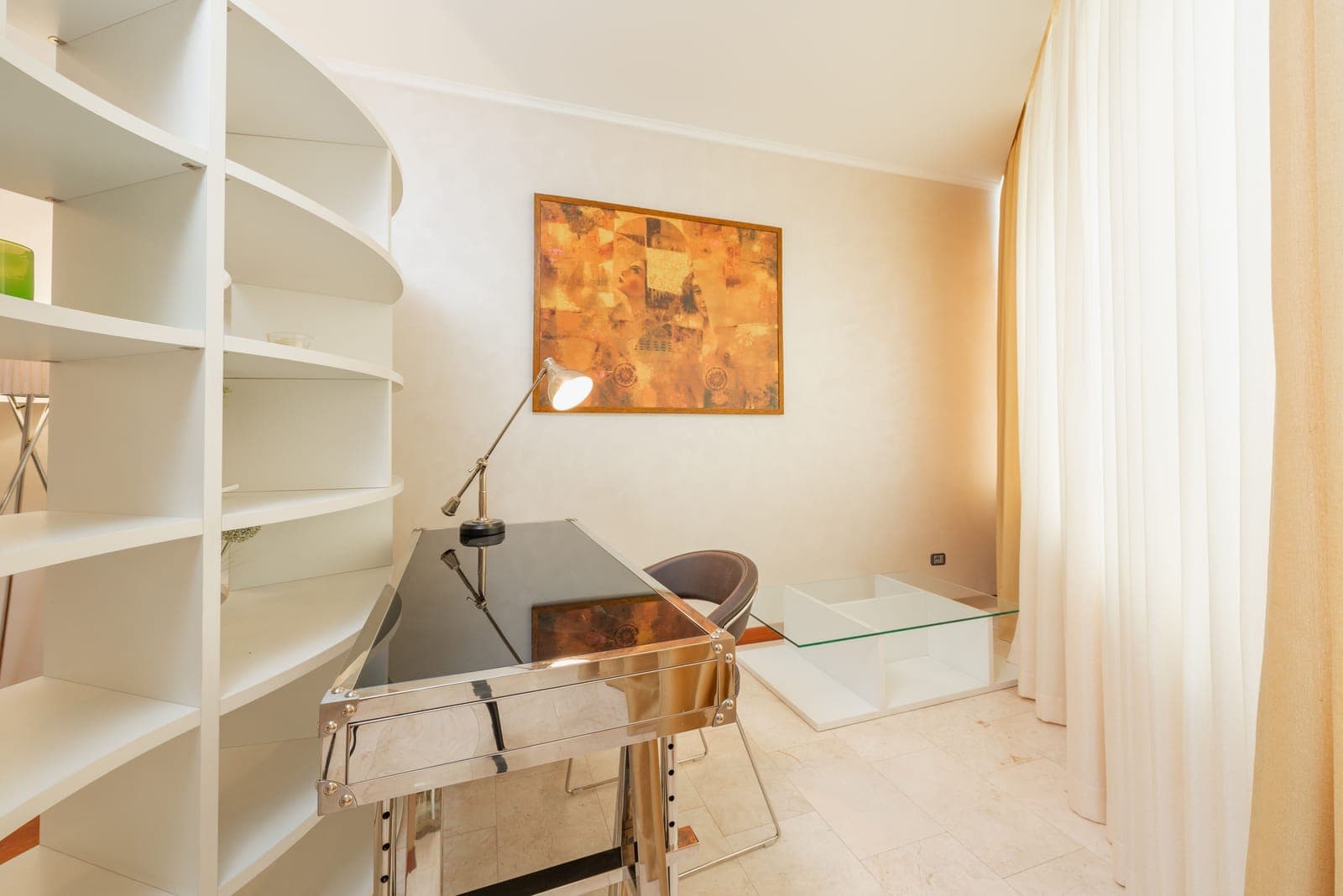
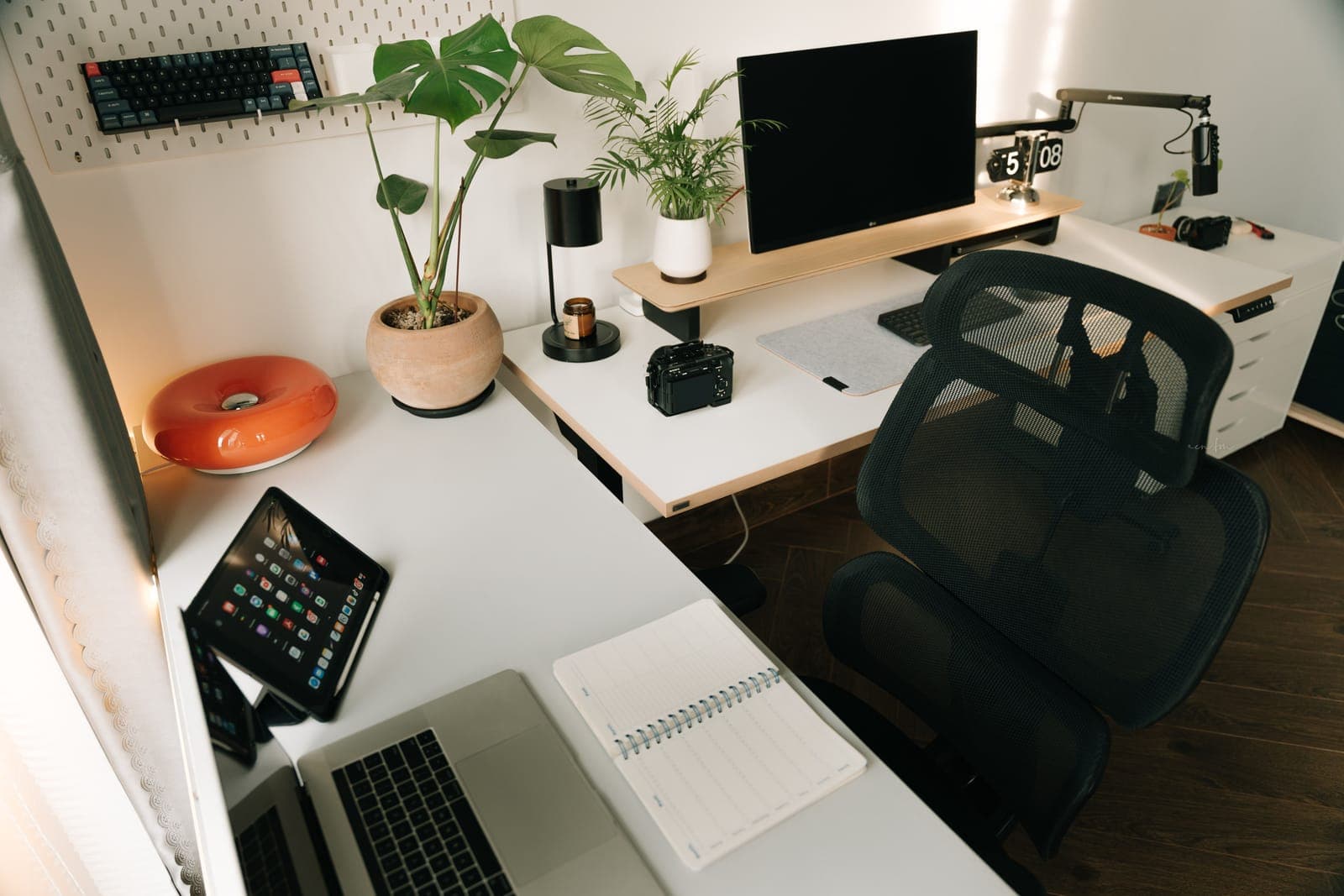
A home office desk with an ergonomic chair in daylight
Chairs with sourced specs
16
Pages, all citing their sources
61
Products we claim to have tested
0
Prices we print
None

Top picks

What won each category

Each of these is the top pick from a roundup, with a link to the page where it won and a direct link to the retailer. Every specification we quote for them comes from the manufacturer's published figures.

We earn a commission if you buy through our links. It does not change your price, and it does not change our ranking. We do not publish prices, because we do not run a live price feed — every button opens the current price on the retailer's own page. Full disclosure.

Upholstered high-back task chair of the Steelcase Leap type in a home office

Best for Lower Back Pain

Steelcase Leap v2

A height-adjustable lumbar with a separate firmness dial, which is the single most useful control on this list if your pain has a specific location.

Top pick: Steelcase Leap v2

Check price on Amazon

#ad We do not publish prices. How we are funded
Upholstered high-back task chair of the Steelcase Leap type in a home office

Best for Disc Pain

Steelcase Leap v2

A height-adjustable lumbar with a separate firmness dial, which is the single most useful control on this list if your pain has a specific location.

Top pick: Steelcase Leap v2

Check price on Amazon

#ad We do not publish prices. How we are funded
Upholstered high-back task chair of the Steelcase Leap type in a home office

Best for Neck Pain

Steelcase Leap v2

A height-adjustable lumbar with a separate firmness dial, which is the single most useful control on this list if your pain has a specific location.

Top pick: Steelcase Leap v2

Check price on Amazon

#ad We do not publish prices. How we are funded

Start where your problem is

Six ways in

Read these first

Two numbers eliminate most of the market

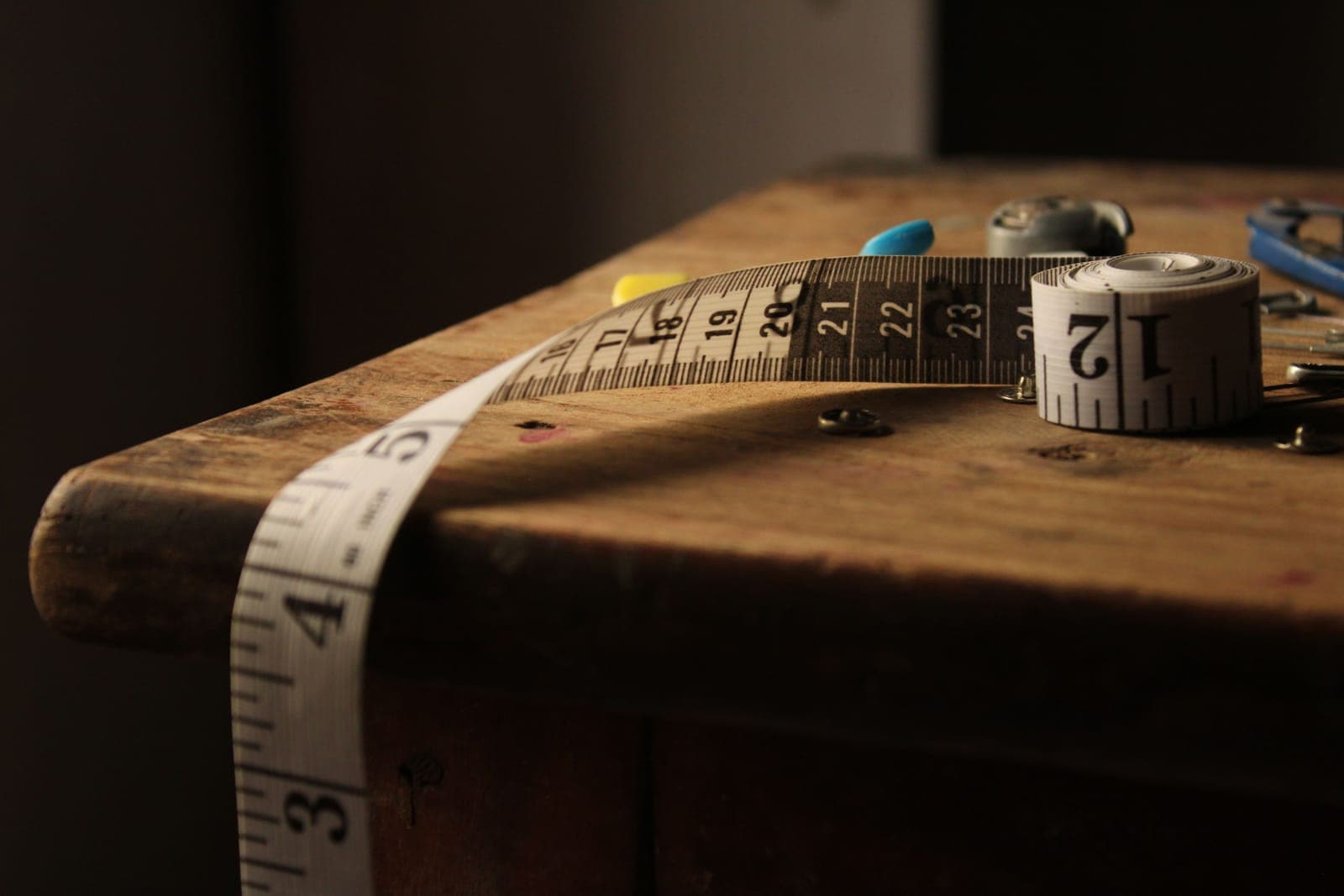
The industry standard minimum seat height is 17 inches. Published anthropometric data puts adult popliteal height - the measurement that decides seat height - between 15.0 and 19.9 inches across the 5th to 95th percentile. Work out where you fall and a large part of the shortlist disappears in five minutes. We show the arithmetic and cite the source, so you can check us rather than trust us.

How this site works

What makes us different

Every number has a source

Each specification we publish links to the manufacturer's own figures. Where a maker does not publish something, we leave the gap visible rather than estimating it.

We have not tested these chairs

No lab, no six-week trials, no invented first-hand experience. We read spec sheets carefully and say so. That is a smaller claim than the competition makes and it is the true one.

Every pick says who it is wrong for

A chair that suits one body is a bad purchase for another. Every pick on this site names the people who should buy something else.

No prices, deliberately

We do not run a live price feed, so rather than print a number that might be a month out of date, every button opens the current price on the retailer's page.

The full version, including what we will not claim: how we pick.

How this site is funded

Spine & Seat is reader-funded. We are a participant in the Amazon Associates program and earn a commission on qualifying purchases made through our links. It does not change your price, and it does not change our ranking - the order of the picks is decided on published fit specifications, and several pages recommend a twenty-dollar cushion over a chair because that is the honest answer.

Read the full affiliate disclosure and our editorial policy.